Smoke & Alarm · knowledge base
Everything you need to know about smoke alarms
Smoke alarms are the single cheapest life-safety device you will ever install — and the one most often fitted in the wrong place, with the wrong sensor, or left to die quietly on a dusty ceiling. This site explains how they work, where they belong and how to keep them alive.
24 in-depth pages · 6 languages · no advertising, no product sales.
Where would you like to start?
How they work
Optical, ionisation and dual-sensor chambers, what each one reacts to, and why a kitchen needs different sensing from a bedroom.
Read the technology guideTypes & grades
Standalone, mains-powered, interlinked, wireless, heat, CO and system detectors — plus the Grade A–F and LD1–LD3 language used by fire codes.
Compare the optionsInstallation
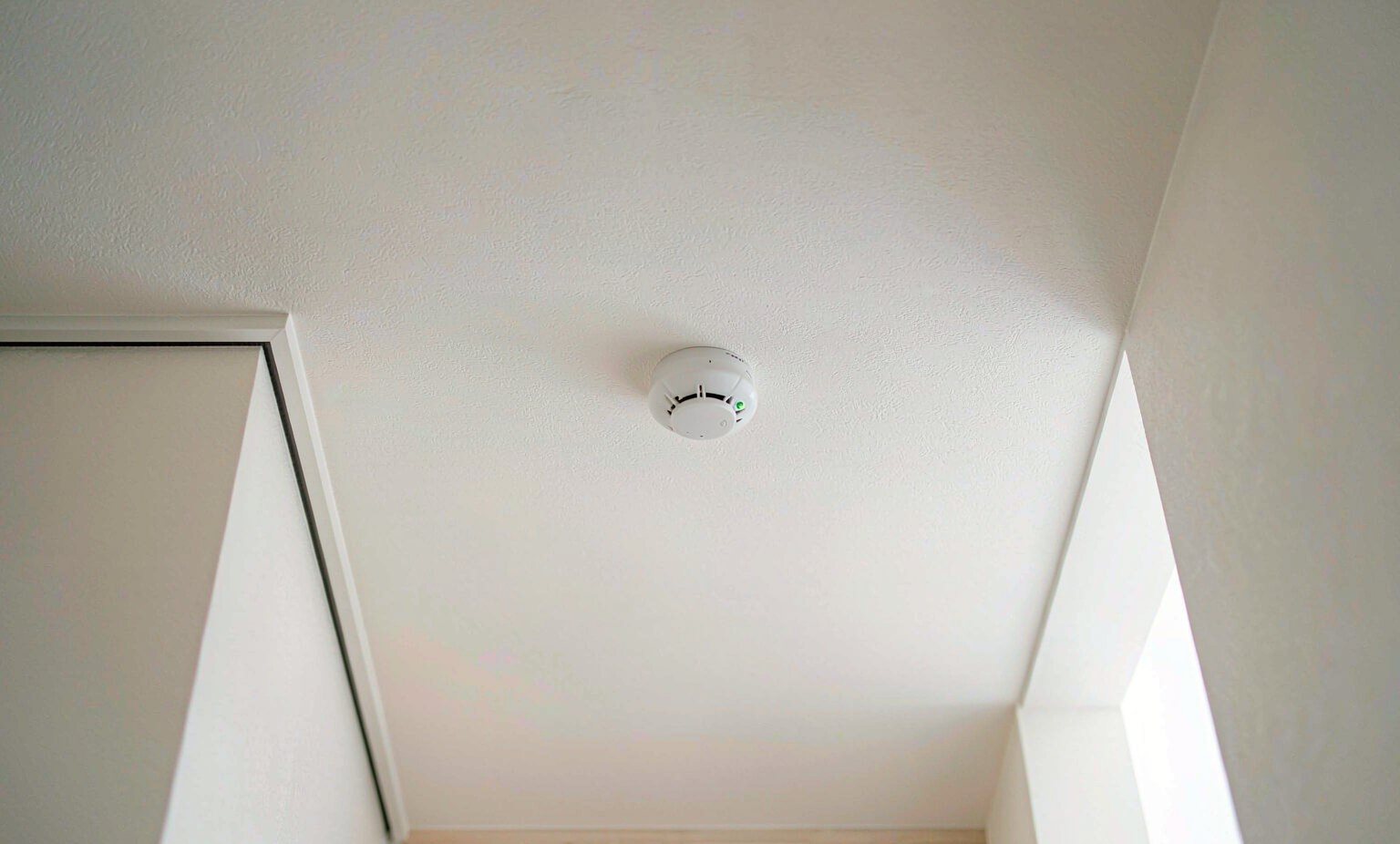
Ceiling spacing, the 30 cm rule, dead-air corners, sloped ceilings, and the rooms where a smoke alarm does more harm than good.
See the placement rulesA smoke alarm is a system, not a gadget
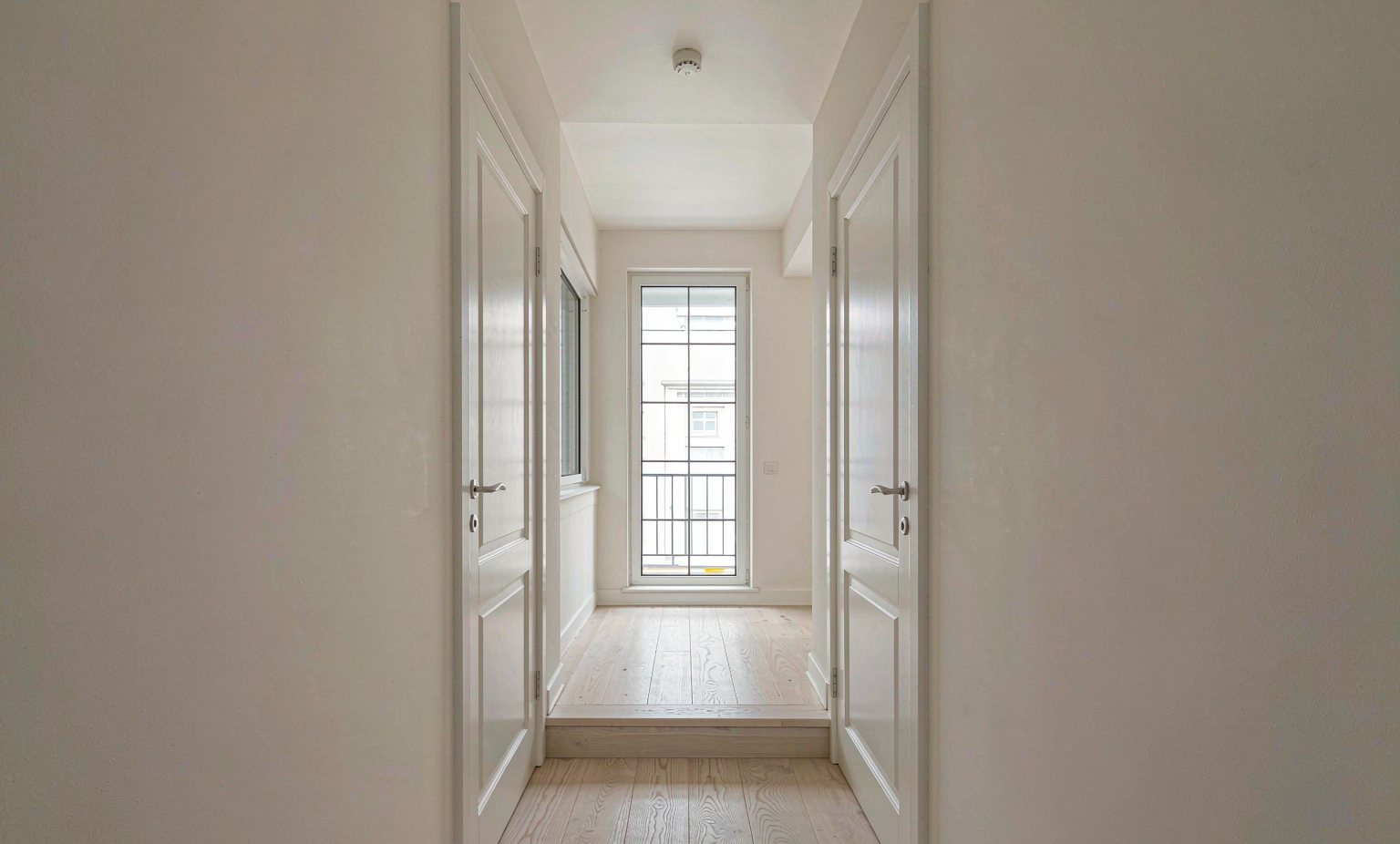
A single alarm in a hallway protects a hallway. A properly designed arrangement — one sensing element in every circulation space, one inside each sleeping room, all of them interlinked so that when one sounds, they all sound — is what actually gives a family time to leave.
- Sound the alarm where people sleep, not only where the fire starts.
- Interlink every device so the whole home warns at once.
- Match the sensor to the room: optical for living spaces, heat for kitchens, sealed optical for bedrooms.
- Replace the whole unit every 10 years — sensors do not improve with age.
Choose the guide that matches your situation
Homeowner or tenant
What to buy, where to fit it and how to stop nuisance alarms without ever disabling a device.
Residential protectionFacility or hotel manager
How commercial installations differ from domestic ones, and which standards the fire officer will cite.
Commercial applicationsIndustrial & logistics
Large open volumes, cold stores, dust, forklift traffic and the detectors that survive them.
Industrial applications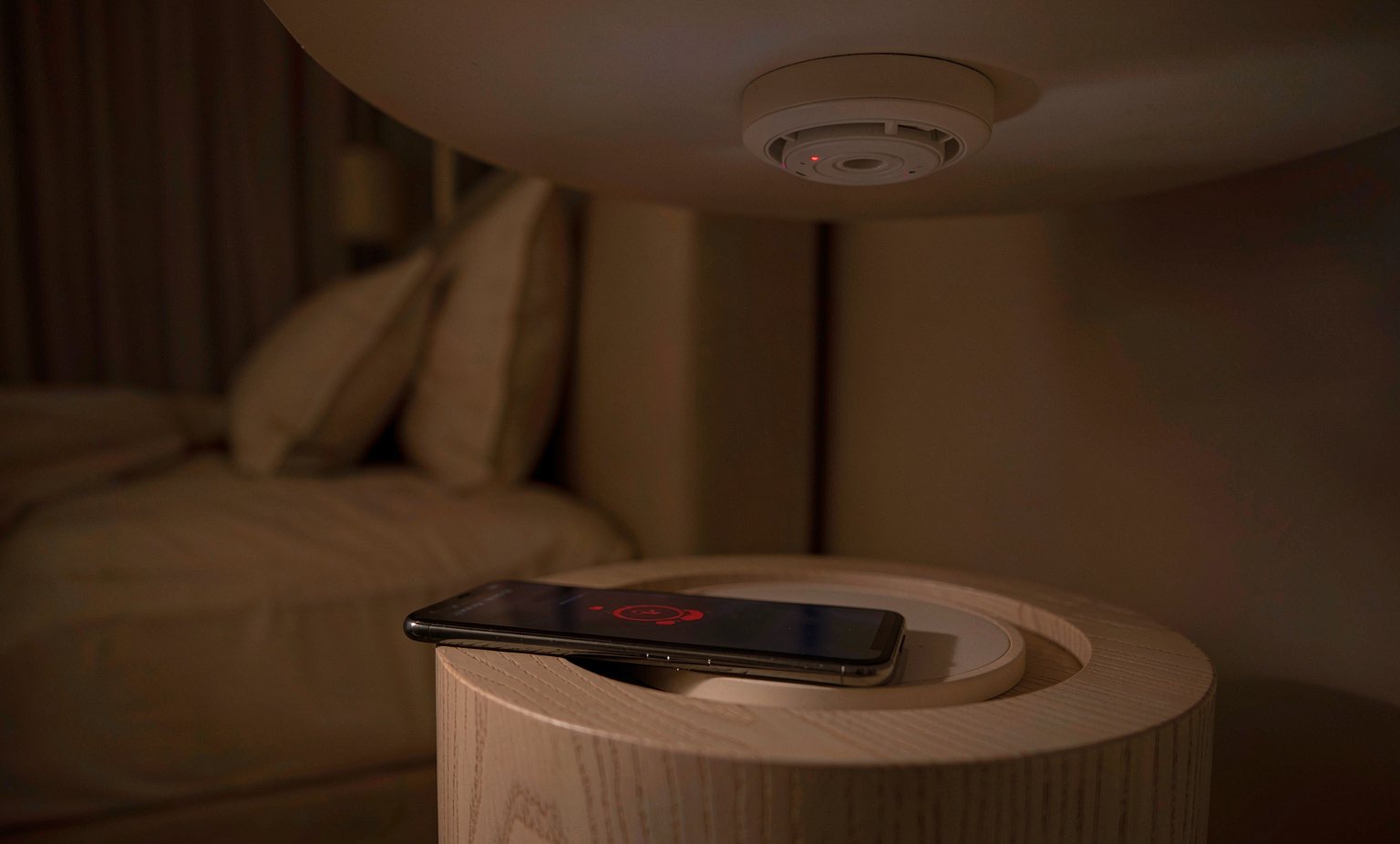
Interactive: put your own home to the test
- Knowledge test — 12 questions with an explanation after every answer.
- Coverage calculator — turn floor area and bedroom count into a number of devices.
- Placement checker — click any position on a floor plan and see whether it works.
- Product selector — describe the room and get a specification, not a sales pitch.
Standards, certifications and the law
Certification is the one thing you cannot verify by looking at a photograph of an alarm. An alarm sold in the European Union should carry a CE declaration referring to EN 14604; in the United States, listing to UL 217; in China, a CCCF certificate against GB 20517. Rental and new-build legislation now mandates alarms in most of Europe, North America and Australia — and the rules differ in ways that matter.
| Market | Smoke alarm standard | Typical mark |
|---|---|---|
| European Union / UK | EN 14604 (self-contained), EN 54-7 (system detectors) | CE / UKCA + notified-body test report |
| United States / Canada | UL 217 / ULC S531; systems to UL 268 | UL listed, ETL listed |
| China | GB 20517 (standalone), GB 4715 (point detectors) | CCCF fire-product certification |
| Australia / New Zealand | AS 3786 (alarms), AS 1670.1 (systems) | SAI Global / ActivFire listing |
Full standards and legislation reference →
Have a technical question this site does not answer?
Our engineering team answers specification, certification and installation questions in one working day. OEM and ODM enquiries are welcome.